What Influences Metabolism After 35? Understand Your Options
As we age, specifically after crossing the 35-year mark, many individuals report a noticeable shift in their energy levels and weight management. This article explores the biological factors at play and discusses potential strategies for maintaining vitality.
The Metabolic Shift Explained
Metabolism isn't just a buzzword; it's the complex chemical process your body uses to convert food into energy. Research suggests that basal metabolic rate (BMR) tends to decrease by 1-2% per decade after age 20. However, the effects often become most tangible in our mid-30s.
Several factors contribute to this slowdown:
- Muscle Mass Reduction: Sarcopenia, or natural muscle loss, reduces the amount of calorie-burning tissue in the body.
- Hormonal Changes: Fluctuations in hormones like cortisol, insulin, and thyroid hormones can impact how the body stores fat.
- Lifestyle Factors: Increased stress and sedentary jobs often replace the active routines of our 20s.
Secure Official Website
Common Approaches to Revitalize Health
While biological aging is natural, lifestyle interventions can have a significant impact. Experts generally recommend a multi-faceted approach:
1. Prioritize Protein Intake
Consuming adequate protein helps preserve lean muscle mass, which is crucial for a healthy metabolic rate. Most nutritionists suggest aiming for 0.8 to 1 gram of protein per pound of body weight, especially for those engaged in regular strength training.
2. Strength Training
Resistance exercises are among the most effective ways to counteract muscle loss and stimulate metabolic activity. Regular strength training may help maintain or even increase muscle mass, which in turn supports a healthier metabolic rate even during rest periods.
3. Sleep Hygiene
Chronic sleep deprivation has been linked to hormonal imbalances that may increase appetite and fat storage. Studies suggest that adults who consistently get 7-9 hours of quality sleep per night may find it easier to maintain a healthy weight compared to those who regularly get less than 6 hours.
Poor sleep quality can disrupt the delicate balance of ghrelin and leptin—hormones that regulate hunger and satiety. When sleep-deprived, your body may produce more ghrelin (the hunger hormone) and less leptin (the satiety hormone), potentially leading to increased calorie consumption throughout the day.
4. Stress Management
Chronic stress is another factor that may influence metabolic health. When under prolonged stress, the body produces elevated levels of cortisol, a hormone that, in excess, has been associated with increased abdominal fat storage and cravings for high-calorie foods.
Incorporating stress-reduction techniques such as meditation, yoga, deep breathing exercises, or even regular walks in nature may help regulate cortisol levels. Some people report that these practices not only improve their mental well-being but also support their physical health goals.
Ready to support your metabolic health?
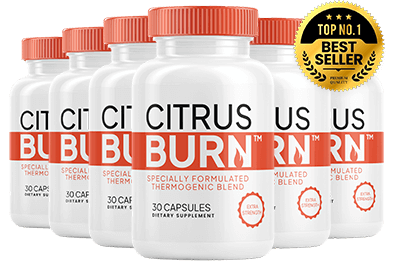
See if CitrusBurn is right for your daily routine.
Check Availability on Official WebsiteOfficial Product Page
Nutritional Considerations
Beyond simply "eating less," the quality and timing of your meals can play a significant role in how your body processes energy.
Meal Timing and Frequency
Some research suggests that eating patterns may influence metabolic health. While traditional advice often emphasized eating small, frequent meals, more recent studies have explored intermittent fasting and time-restricted eating windows. The optimal approach appears to vary by individual, and there's no one-size-fits-all solution.
What seems consistent across various dietary approaches is the importance of consistency. Erratic eating patterns—skipping breakfast one day, eating late-night meals the next—may confuse your body's internal clock and potentially impact metabolic efficiency.
Micronutrients and Hydration
Essential vitamins and minerals act as co-factors in countless metabolic processes. Deficiencies in key nutrients like vitamin D, B vitamins, magnesium, and iron may impact energy levels and metabolic function. A varied, colorful diet rich in vegetables, fruits, whole grains, and lean proteins can help ensure adequate micronutrient intake.
Proper hydration is often overlooked but crucial. Even mild dehydration can reduce metabolic efficiency. Some studies indicate that drinking cold water may temporarily boost calorie burning as the body works to warm the water to body temperature—though this effect is modest.
The Role of Cardiovascular Exercise
While strength training builds metabolism-boosting muscle, cardiovascular exercise plays its own important role. Activities like brisk walking, jogging, cycling, or swimming can increase daily calorie expenditure and improve cardiovascular health.
High-Intensity Interval Training (HIIT) has gained attention for its potential to create an "afterburn effect," where the body continues burning calories at an elevated rate even after the workout ends. However, moderate-intensity steady-state cardio also offers benefits and may be more sustainable for some individuals.
Natural Supplementation: An Additional Option
In addition to diet and exercise, some individuals explore natural supplementation to support their wellness goals. The supplement market offers various options, with formulations based on green tea extract, caffeine, fiber, and citrus-derived compounds being among the most commonly discussed.
It's important to approach supplementation with realistic expectations. No supplement can replace the foundational practices of healthy eating, regular exercise, adequate sleep, and stress management. At best, certain supplements may provide modest support when combined with these lifestyle factors.
One category that has received attention involves citrus-based extracts. Some people report that these formulations complement their existing health routines, though individual experiences vary widely. As with any supplement, it's advisable to consult with a healthcare professional before beginning use, especially if you have existing health conditions or take medications.
When considering any supplement option, look for products that are transparent about their ingredients, manufactured according to quality standards, and realistic in their claims. Be wary of products promising guaranteed results or dramatic transformations—such claims are often misleading and may indicate a product of questionable quality.
See Current Availability for CitrusBurn
Check Official Website & PriceInformation provided for educational purposes.